Spring (March–May)
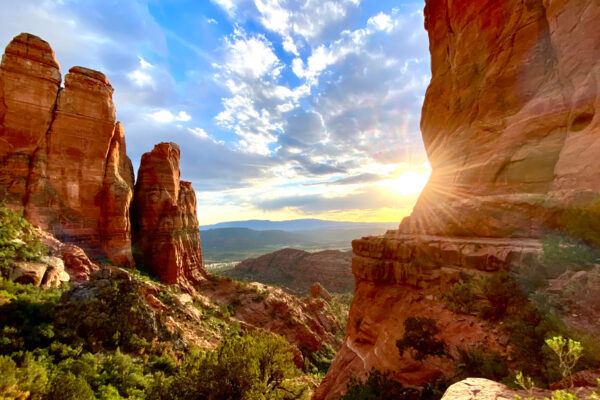
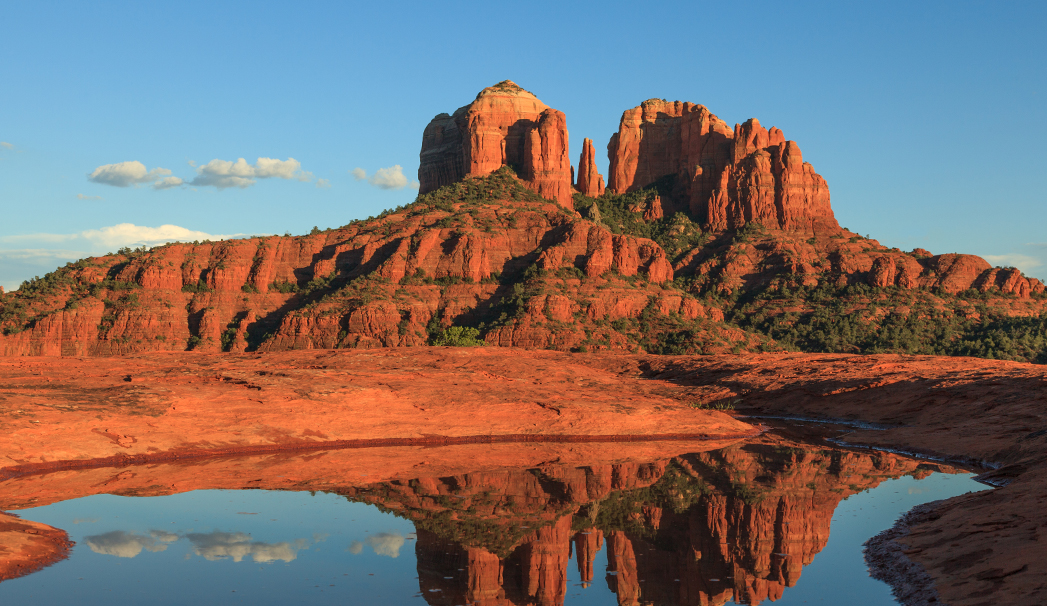
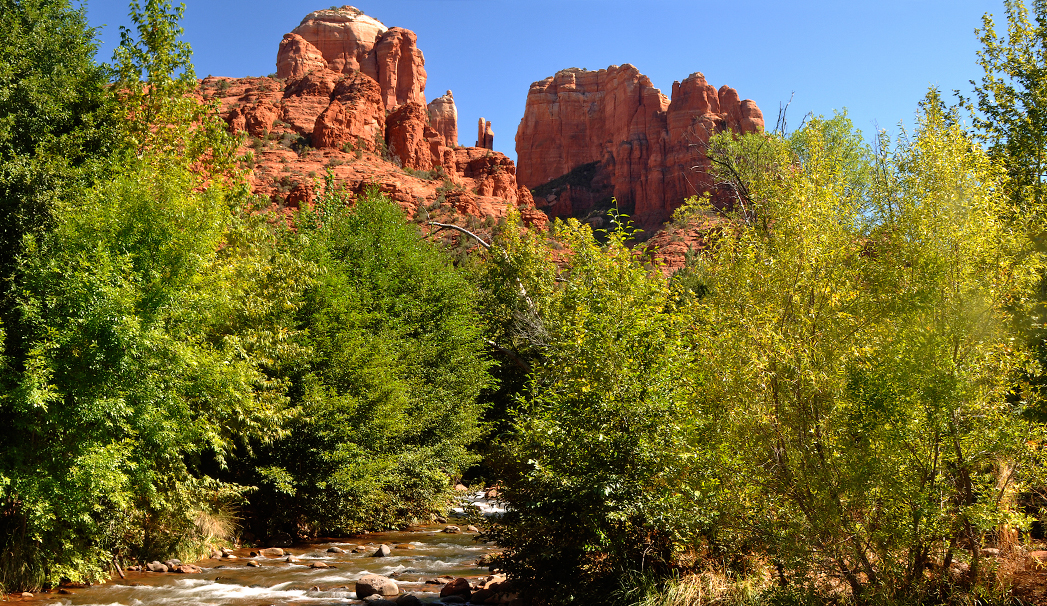
Spring is widely considered one of Sedona’s most beautiful seasons.
What to Expect
- Mild temperatures
- Wildflower blooms
- Ideal hiking weather
- Busy visitor season
Daytime temperatures often range from the mid-60s to mid-80s.
This is one of the best seasons for exploring trails such as Devil’s Bridge Trail and Bell Rock.
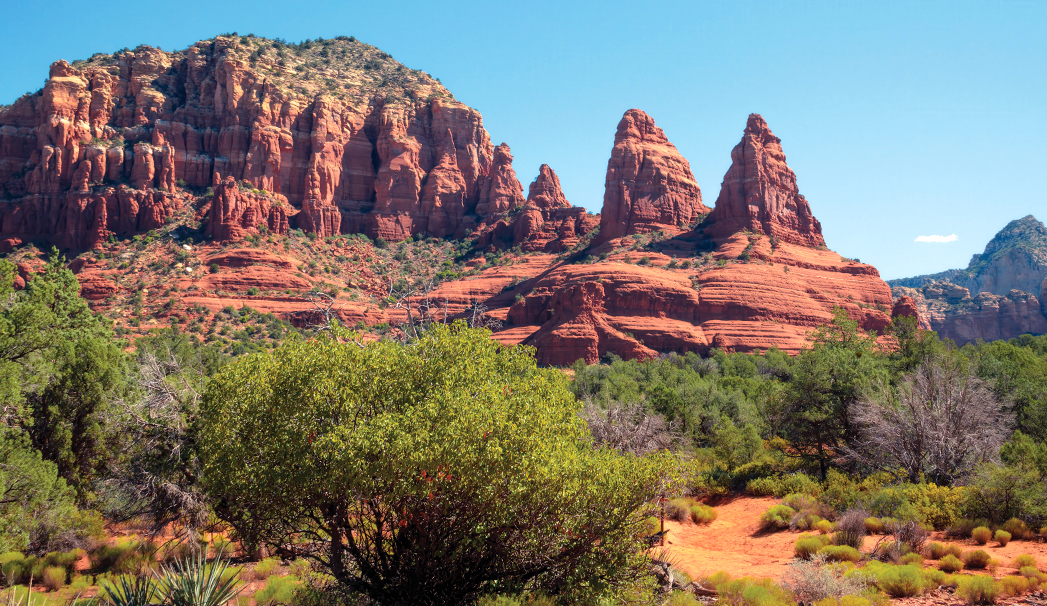
Photo by Donavan Seschillie.
Summer (June–August)
Summer brings warmer temperatures but also fewer crowds and attractive hotel pricing.
What to Expect
- Afternoon temperatures in the 90s
- Early morning hiking opportunities
- Monsoon storms in July and August
- Excellent spa and resort deals
Visitors often plan outdoor activities early in the day before relaxing at pools or spas in the afternoon.
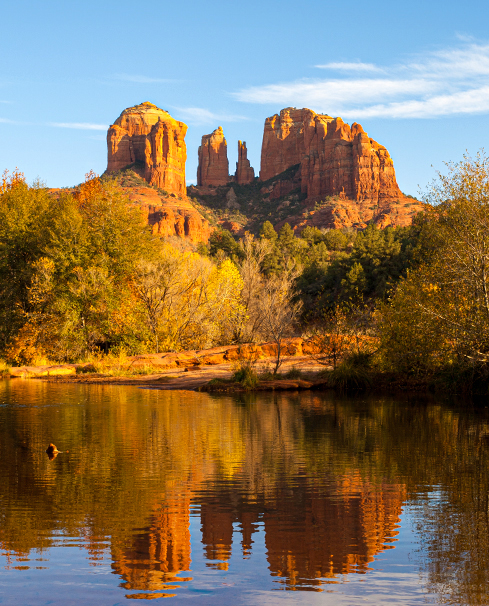
Photo by Ted Grussing.
Fall (September–November)
Fall rivals spring as Sedona’s most desirable travel season.
What to Expect
- Crisp mornings and warm afternoons
- Peak hiking conditions
- Beautiful lighting for photography
- Busy tourism season
Fall is also one of the most popular times for romantic getaways and luxury resort stays.
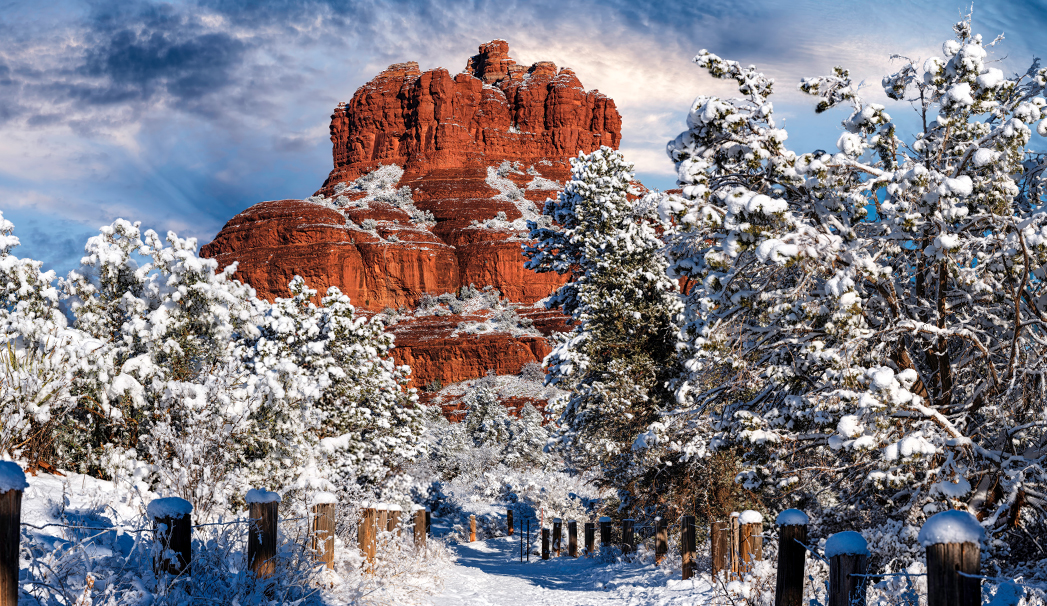
Winter (December–February)
Winter offers a quieter and often surprisingly beautiful experience.
What to Expect
- Daytime temperatures in the 50s and 60s
- occasional light snow dusting the red rocks
- fewer visitors
- excellent hotel availability
Winter sunsets in Sedona can be especially striking, with clear air and dramatic lighting.
When to Visit Based on Your Travel Goals
Best for Hiking
- March–May
- September–November
Best for Spa Getaways
- January–February
- July–August
Best for Photography
- October
- November
- February
Best for Lower Hotel Rates
- January
- February
- Mid-summer
Sedona Monthly Takeaway
There is truly no bad time to visit Sedona — each season offers its own character and advantages.
For travelers seeking the most comfortable outdoor conditions, spring and fall remain the ideal windows, while winter and summer offer quieter experiences and often better lodging availability.